The Rise of the Woven Handbag: Craft Meets Contemporary Fashion

For several seasons now, the woven handbag has moved from the periphery of fashion to its center. What was once considered a regional or seasonal accessory, associated with summer markets and craft fairs, has emerged as one of the defining silhouettes of a broader shift in luxury fashion: toward process, toward materiality, toward things made slowly by human hands.
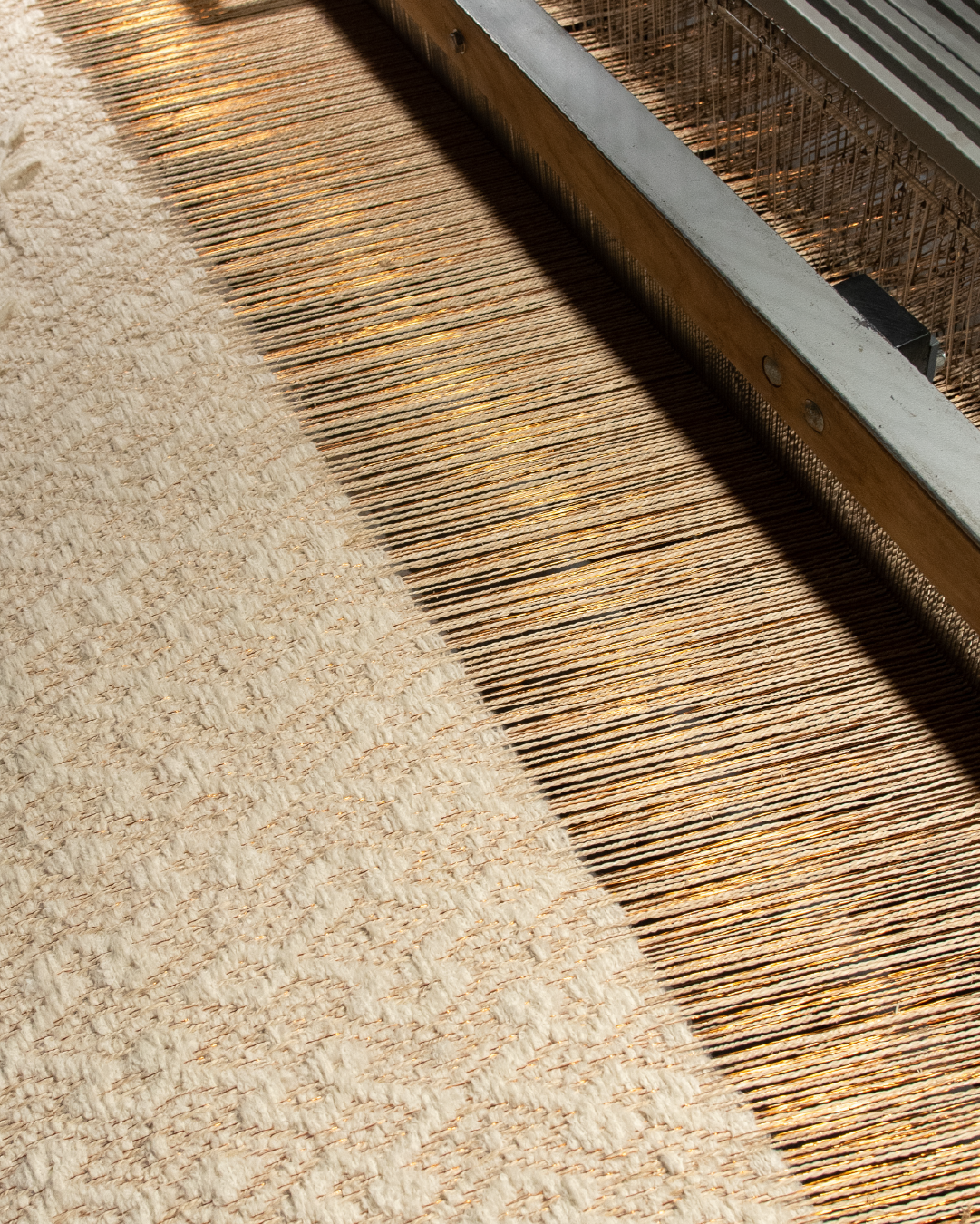
The appeal is not nostalgic. It is structural. A woven handbag carries information in a way that a stitched leather bag does not. Every crossing of fiber over fiber is a decision about tension, color, and pattern. The surface of a handwoven bag is not a finish applied after the fact; it is the object itself, from the inside out.
This transparency of construction is precisely what contemporary consumers find compelling. In a landscape saturated with products that conceal their origins, a woven handbag makes its process legible. You can see how it was made. You can trace the logic of its structure. For a generation of buyers increasingly interested in provenance and craft, this visibility is not incidental. It is the point.

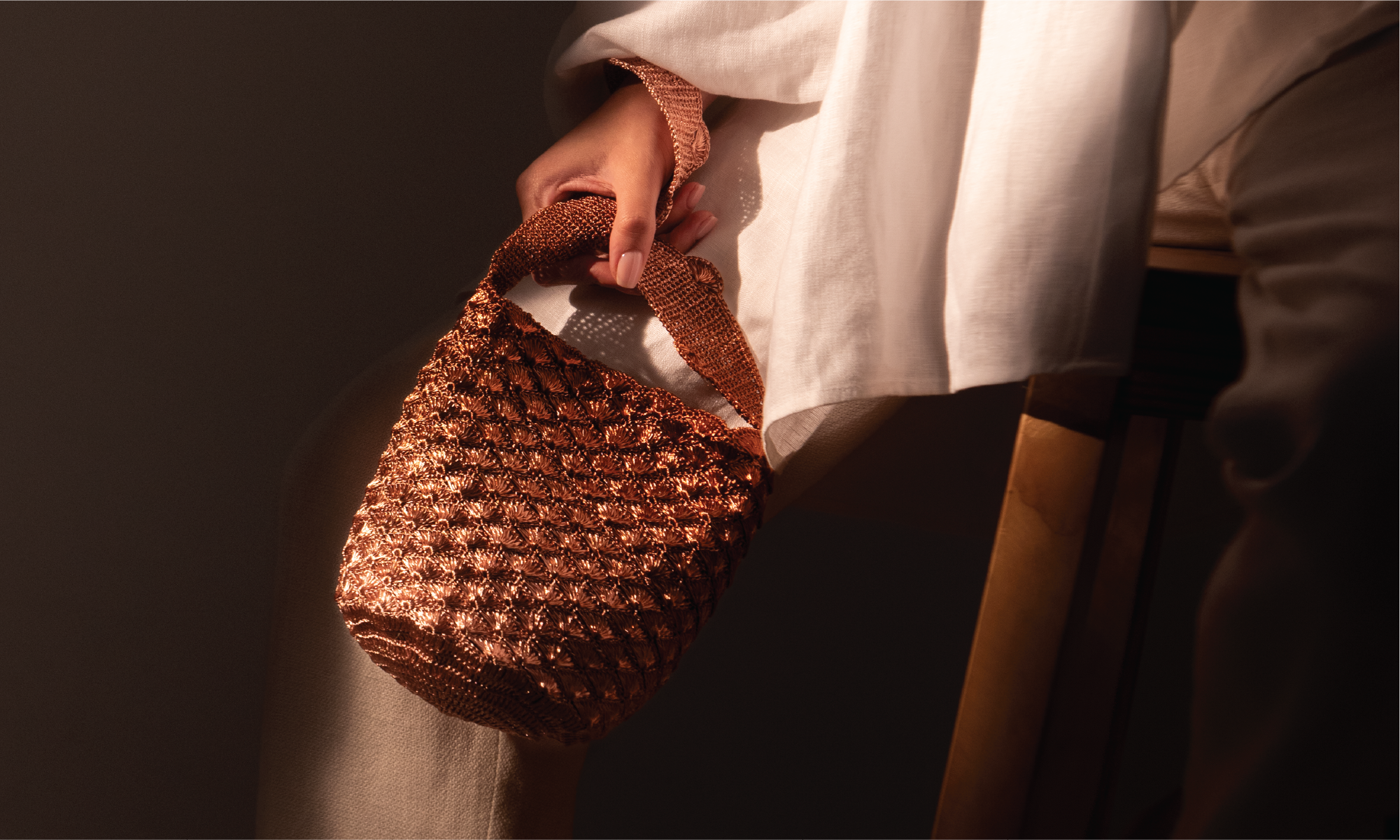
At VERDI, the woven handbag takes several forms. Our fique mochilas are rooted in the handweaving traditions of Colombia's Santander region, produced by artisans who have mastered the distinctive knotting technique that gives these bags their characteristic density and durability. Our metal woven bags extend the same logic into a different register: threads of fine metal woven into architectural forms that sit at the intersection of accessories and jewelry.
What unites these different expressions is a conviction about what a bag can be: not merely a functional container, but a carried object that accumulates meaning through its making. The woven handbag, at its best, is an argument for slowness in a fast industry. Proof that the things made most deliberately are also, often, the things that last.