Natural Fiber Rugs vs. Synthetic: What Designers Are Choosing
 The question of fiber is rarely asked by those buying their first rug. It is almost always asked by those buying their second. Because it is only after living with a rug, feeling it change with the seasons, watching how it holds or resists dirt, noticing how the light moves across its surface, that the difference between natural and synthetic fiber becomes genuinely clear.
Synthetic rugs, most commonly made from polypropylene or nylon, are designed to solve problems: stain resistance, color consistency, low cost. They do this well. But in solving those problems, they also eliminate something essential. The irregularity, the warmth, and the slow patina that make a natural fiber rug feel like a living element of a room rather than a surface covering.

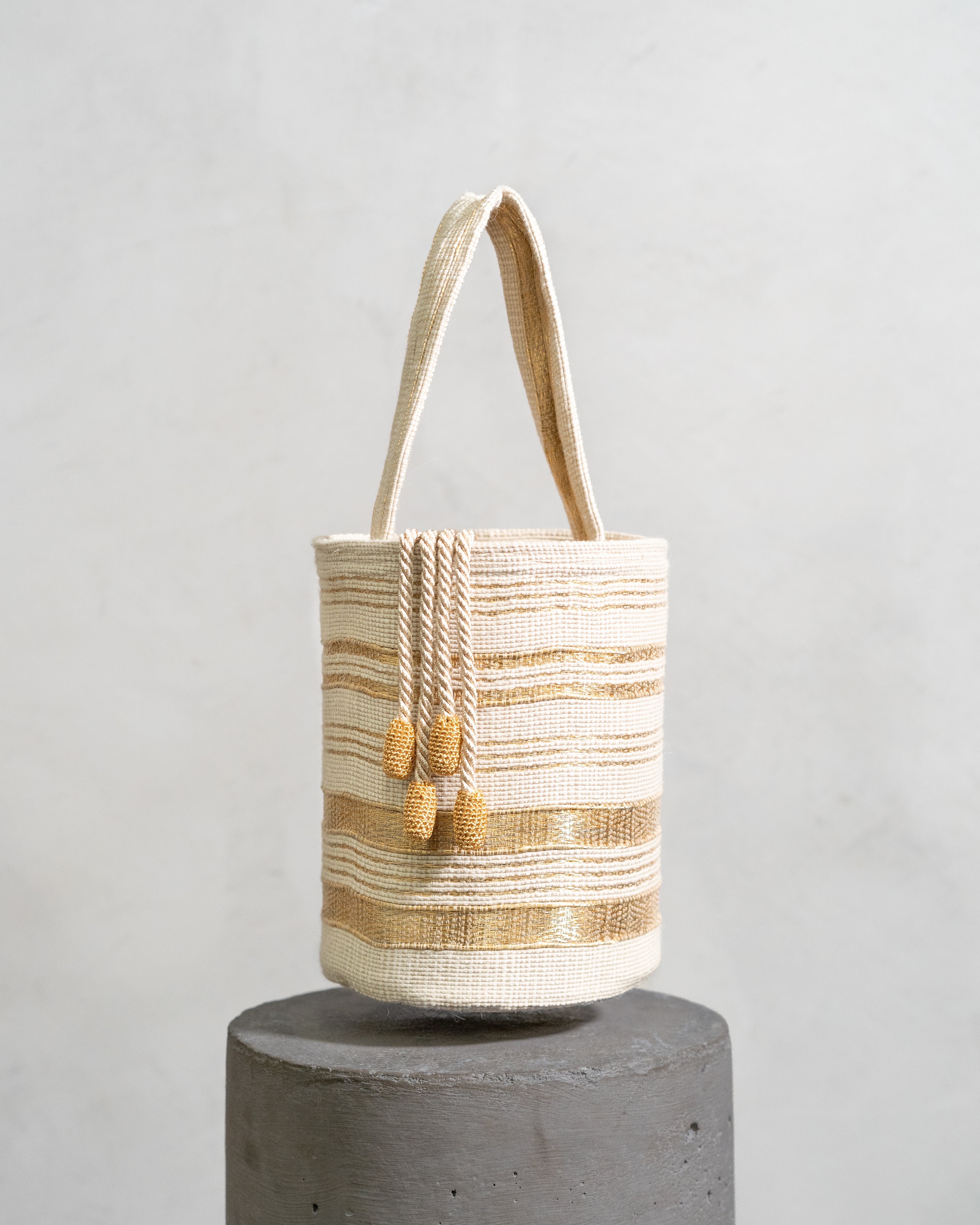
Natural fiber rugs are woven from materials that came from the ground: fique, sisal, jute, seagrass, wool. Each has a distinct character. Fique, a native Andean plant fiber, has the firmness and architectural quality that designers increasingly seek for modern interiors. Its surface is textured without being rough, its palette naturally warm, and its durability remarkable for a biodegradable material. Unlike sisal, which can feel sharp underfoot, or jute, which softens quickly under traffic, fique maintains its structure over years of use.
From an environmental standpoint, the difference is equally significant. Synthetic rugs shed microplastics with every footfall, an invisible contamination that is difficult to trace and impossible to reverse. Natural fiber rugs, at the end of their life, return to the earth. This is not a marketing claim; it is a material fact that is reshaping procurement decisions among interior designers, hospitality operators, and conscious consumers alike.
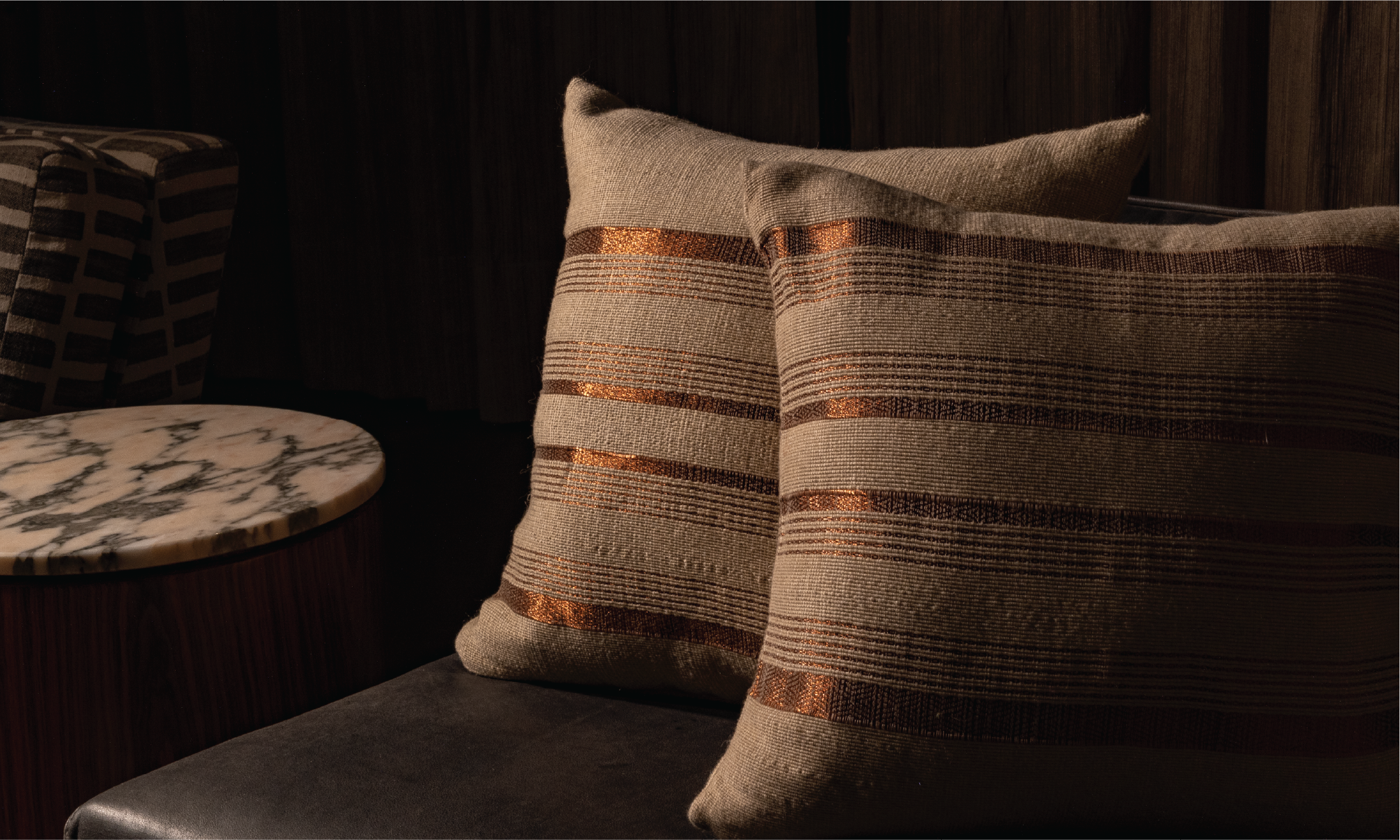
The designers choosing natural fiber today are not doing so despite the variations and irregularities inherent in handwoven materials. They are choosing them because of those qualities. In a discipline that has spent decades pursuing seamless, frictionless perfection, there is a growing recognition that the most compelling spaces are those that include evidence of the hand, the region, the fiber. A natural fiber rug carries that evidence in every thread.