Alpaca Fiber in Fashion: Why Designers Are Returning to Natural Luxury
 Among the natural fibers experiencing renewed attention in contemporary fashion, alpaca occupies a singular position. Softer than merino wool, lighter than cashmere, and significantly more durable than either, alpaca fiber has been prized in the Andean highlands for over five thousand years. Its return to prominence in contemporary design is less a rediscovery than a recognition — a belated acknowledgment of a material that was always, in technical terms, exceptional.
Alpaca fiber is harvested from the fleece of alpacas raised primarily in Peru, Bolivia, and Colombia's high-altitude regions. Unlike sheep wool, alpaca contains no lanolin, making it naturally hypoallergenic and uniquely comfortable against the skin. Its fiber structure also gives it a distinctive luster — a soft, natural sheen that photographs beautifully and reads as quiet luxury in person.
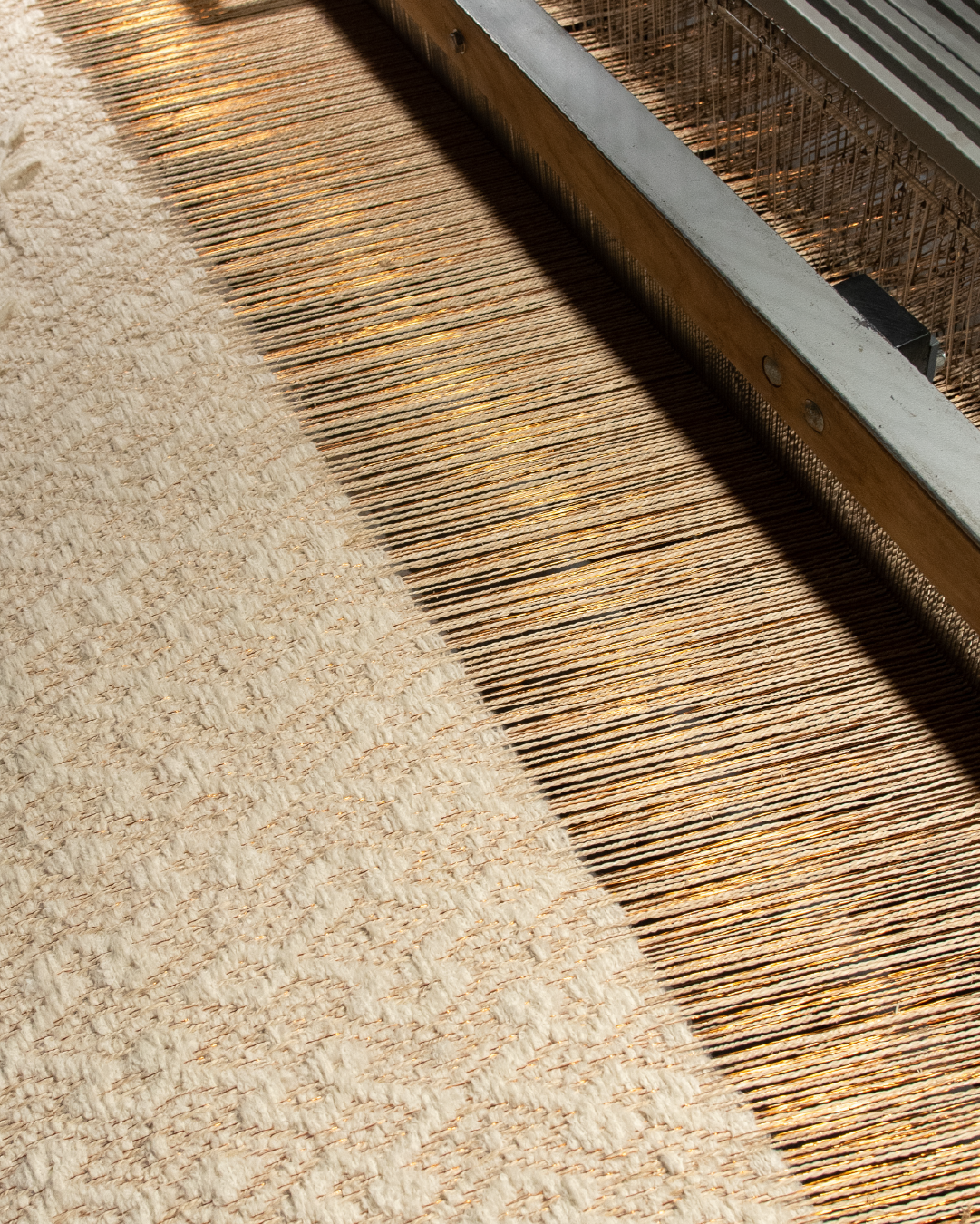
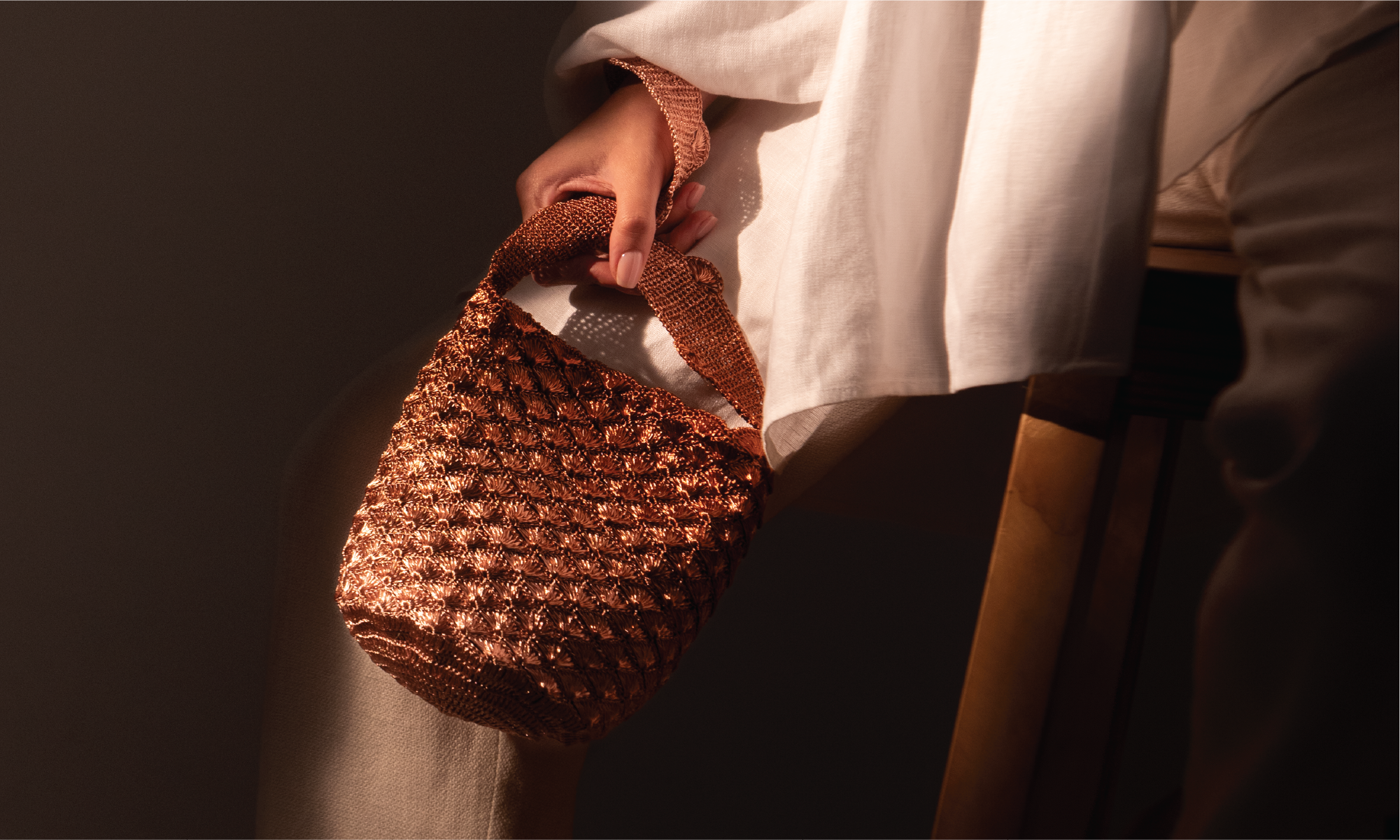
For handbag construction, alpaca presents particular advantages. Its natural elasticity allows woven alpaca structures to hold their shape under the stresses of daily use. Its resistance to pilling — one of the primary complaints about wool accessories — means that an alpaca bag maintains its surface integrity over years of handling. And its dyeability is exceptional: alpaca fiber absorbs natural dyes deeply and evenly, producing colors of unusual richness and permanence.
The decision to work with alpaca at VERDI was rooted in the same principle that guides our approach to all materials: that the fiber should carry meaning beyond its technical properties. Alpaca is an Andean material — connected to the same geographic and cultural territory from which our craft traditions emerge. Working with it is not simply a design choice but a statement about the coherence of our values: that material, technique, and origin should align.
In a market where luxury has too often been defined by scarcity of access rather than quality of making, alpaca offers a different proposition: a fiber that is genuinely extraordinary in its properties, produced through relationships between communities and animals that have remained largely unchanged for millennia. That continuity is, in itself, a form of luxury worth recognizing.