How to Choose a Handwoven Rug: A Designer's Guide

A handwoven rug is one of the most consequential decisions in any interior. It anchors furniture, defines zones, introduces texture and warmth, and unlike most decorative objects, it is touched daily. Choosing one well requires understanding not just aesthetics, but fiber, construction, and the relationship between the two.
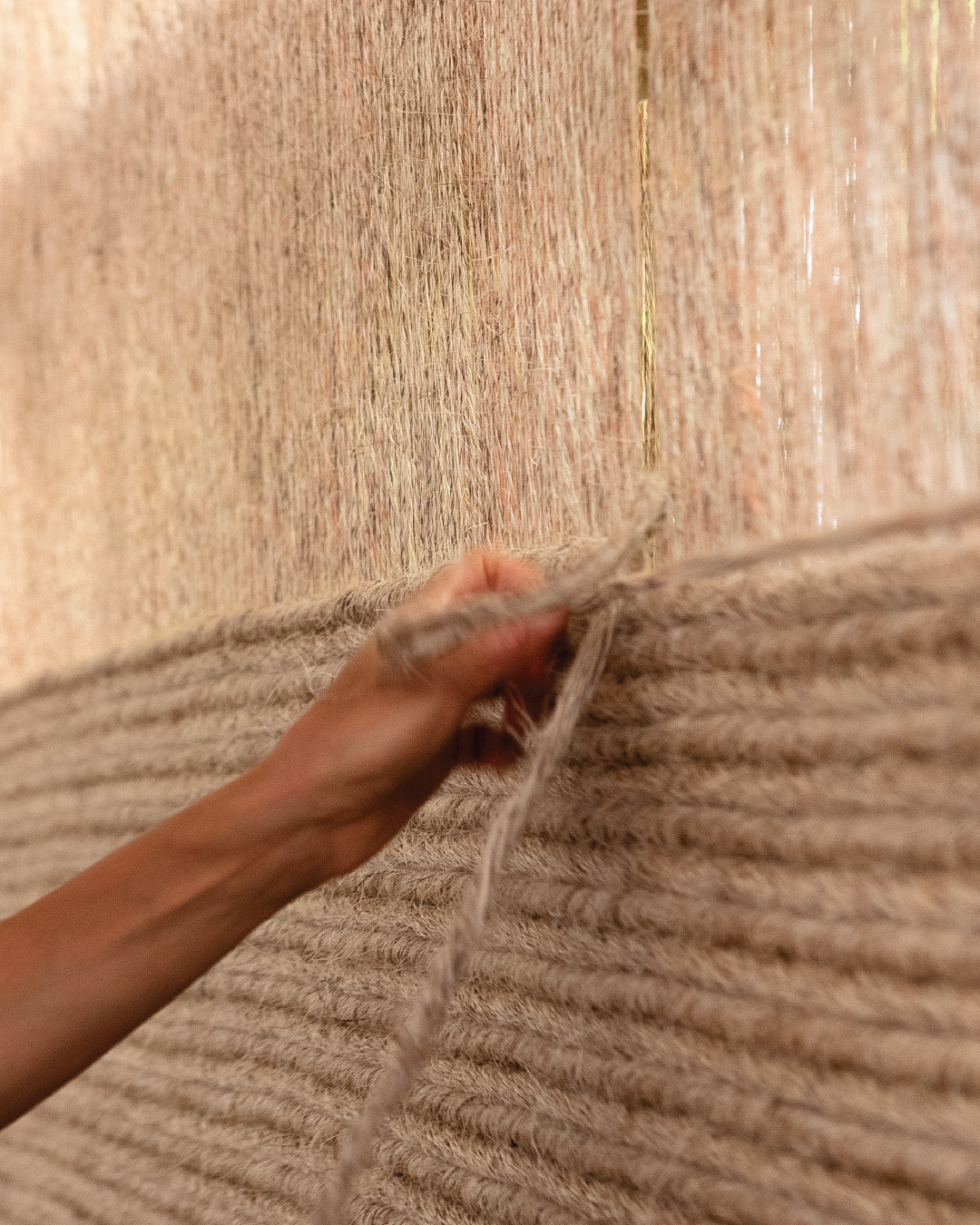
The first question is always material. Natural fiber rugs, woven from fique, sisal, wool, or jute, offer a warmth and variation that machine-made synthetic rugs cannot replicate. Each natural fiber has its own character: fique is firm and architecturally precise, ideal for living rooms and high-traffic areas, while wool is softer underfoot and holds color depth particularly well. The right choice depends on both the physical demands of the space and the visual atmosphere you are building.
Construction is the second consideration, and in handwoven rugs, it is where quality becomes visible. Look at the back of a rug: a tightly woven reverse side indicates consistent tension and craftsmanship. Irregularities are not defects in a handwoven piece. They are evidence of the human hand, and what separates a living object from a mechanical one.

Scale is often where designers make their most consequential errors. A rug that is too small will fragment a room rather than unify it. As a general principle, the rug should extend at least 30 centimeters beyond the front legs of the primary seating. In a dining room, all chair legs should sit on the rug, even when the chairs are pulled out.
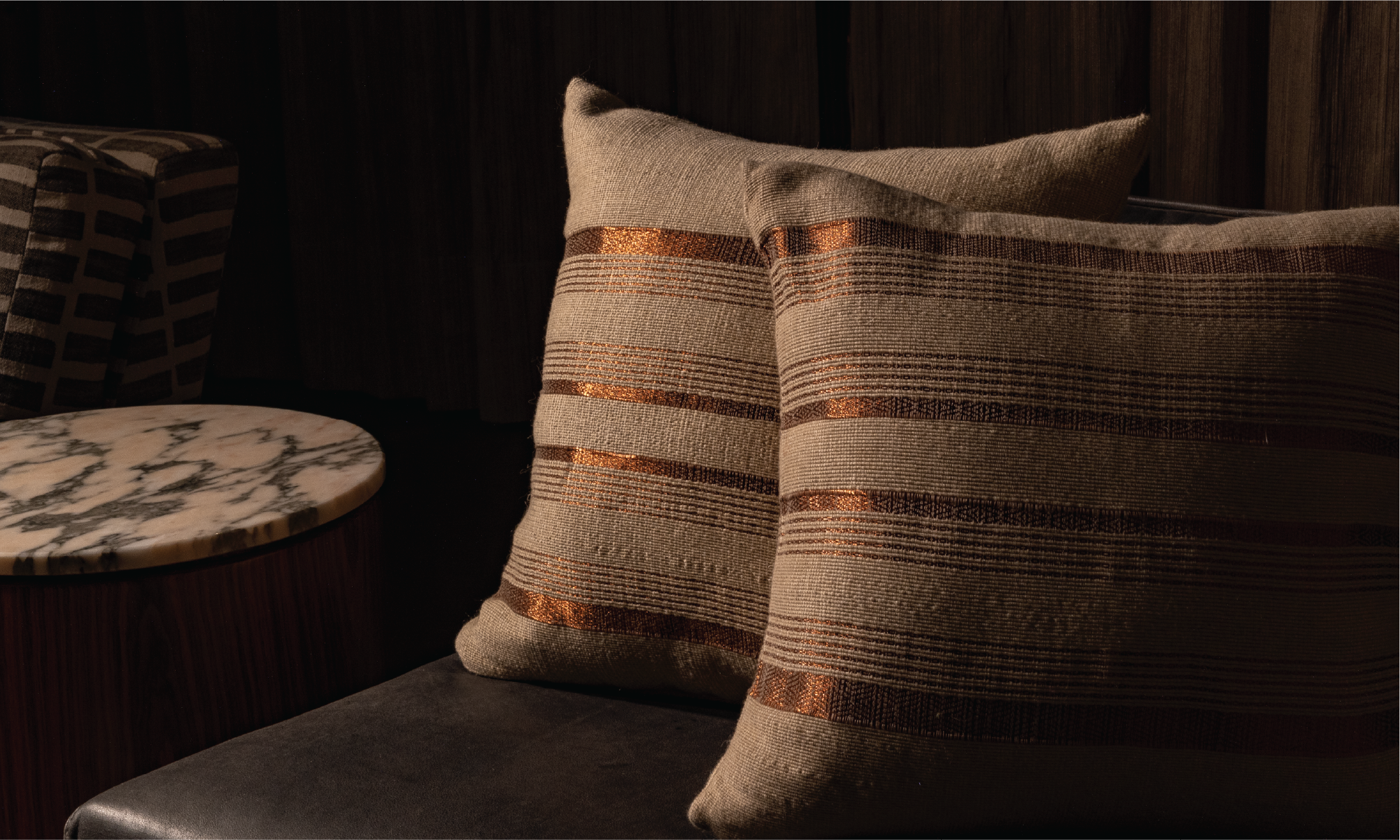
Texture plays a role that photography rarely captures. In showrooms and editorial images, the flatness of a photograph tends to flatten the rug as well. Always request samples: run your fingers across the surface, hold it at different angles in natural light, and consider how it will interact with the other textures in the room, including the upholstery, the walls, and the wood of the furniture.
Finally, consider the rug's origin. A handwoven rug is not only a design object; it is a record of craft tradition and, increasingly, a statement about the values embedded in a space. At VERDI, our handwoven fique rugs are produced in direct collaboration with artisan communities in Santander, Colombia. That fact is as much a part of the object as the fiber itself.