What Is Fique? Colombia's Most Versatile Natural Fiber
 In the high-altitude landscapes of Colombia's Andean region, a remarkable plant has been quietly sustaining communities and shaping material culture for centuries. Fique, known botanically as Furcraea andina, is a large, agave-like plant whose long, silvery-green leaves contain some of the strongest natural fibers in the Americas. At VERDI, fique is not simply a raw material. It is a foundation.
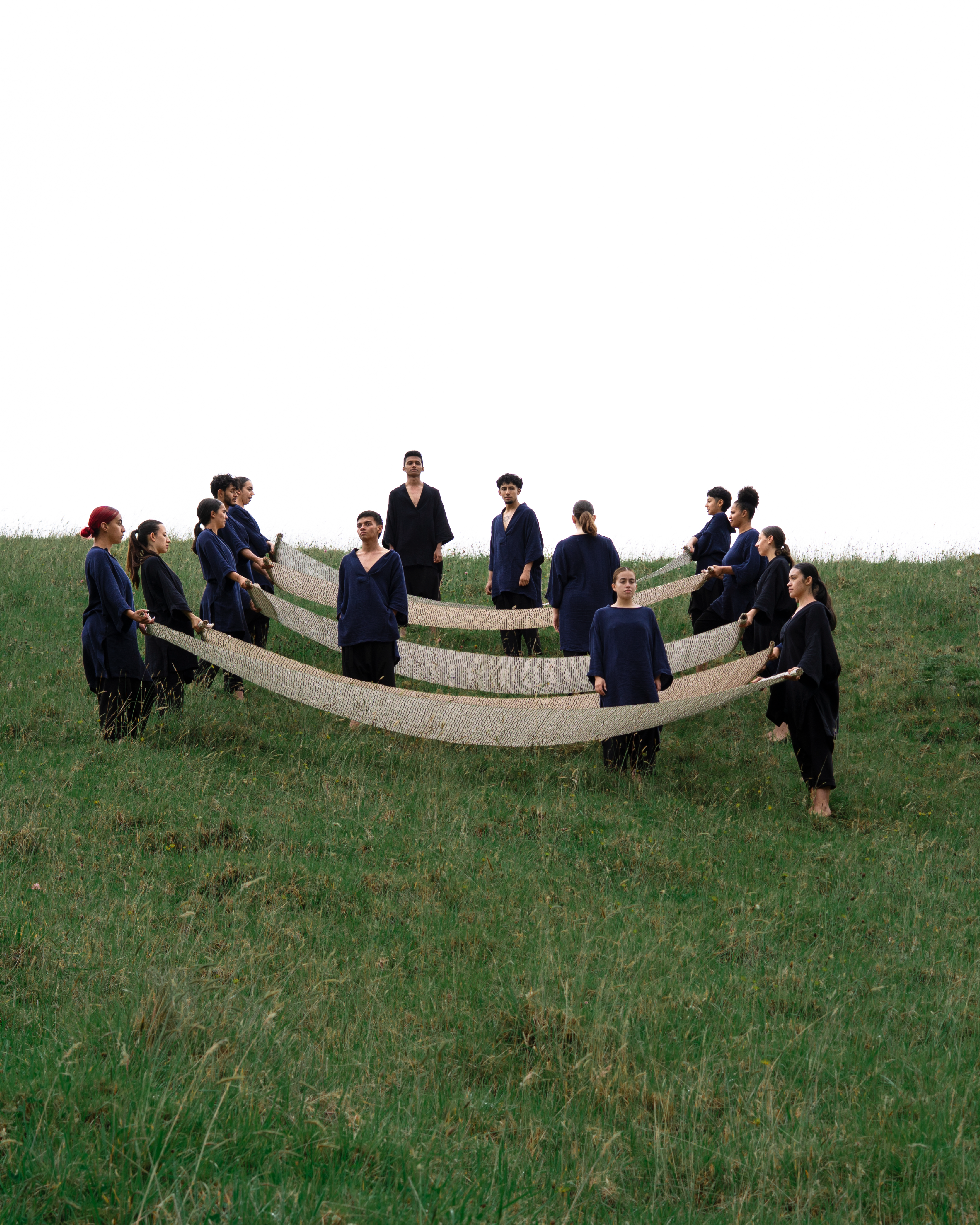
Fique fiber is extracted through a process called decortication: the thick, fleshy leaves are crushed and scraped to reveal long, cream-colored threads that can reach up to two meters in length. These threads are then dried, spun, and woven. In the hands of skilled artisans in Curití, Santander, that process becomes something closer to sculpture than textile production.

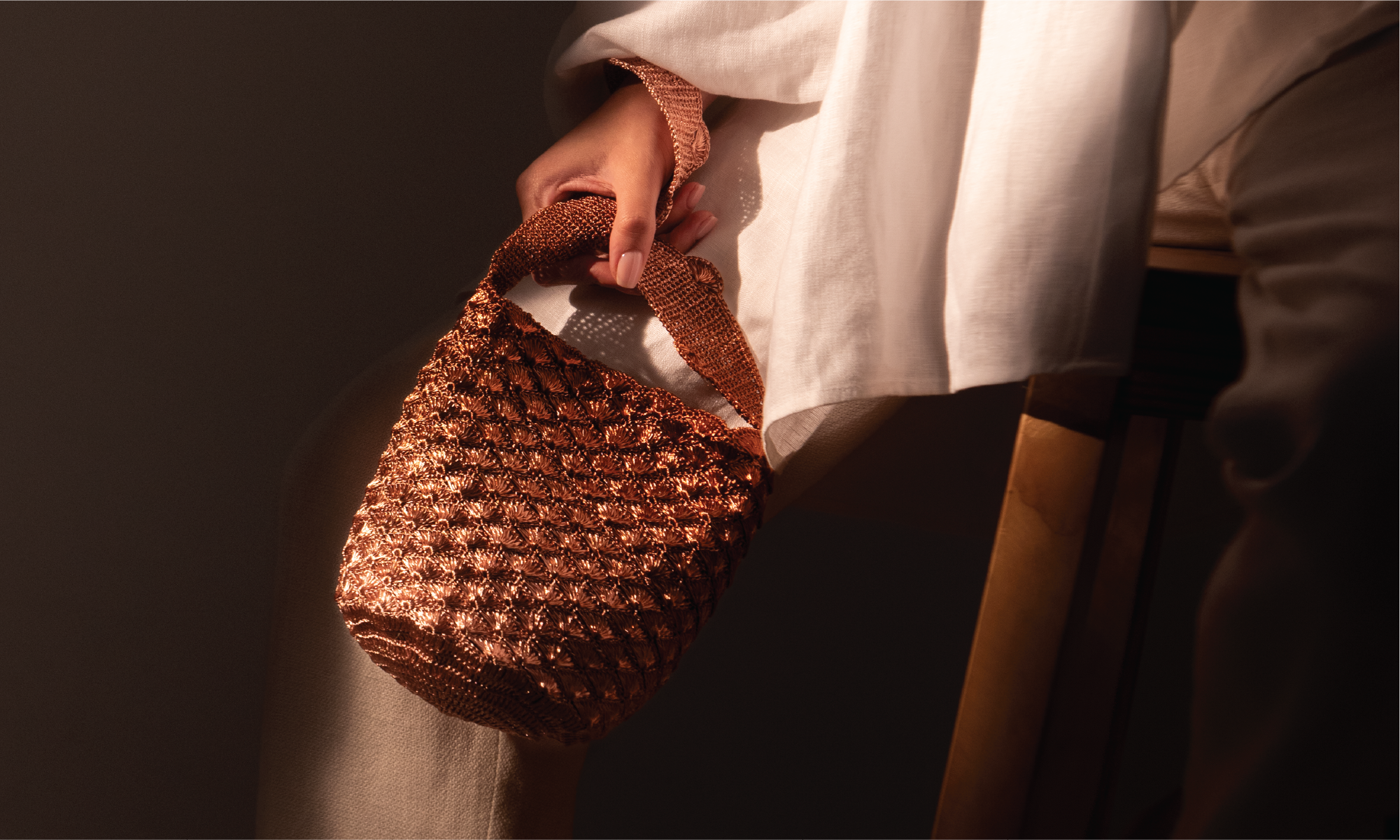
What makes fique exceptional as a natural fiber is its combination of properties. It is naturally resistant to moisture and humidity, making it ideal for home environments. It is also highly durable; fique rugs and bags can withstand decades of use without losing their structural integrity. Unlike many imported natural fibers, fique is entirely biodegradable and grown without the need for chemical inputs, making it one of the most genuinely sustainable natural fibers available today.
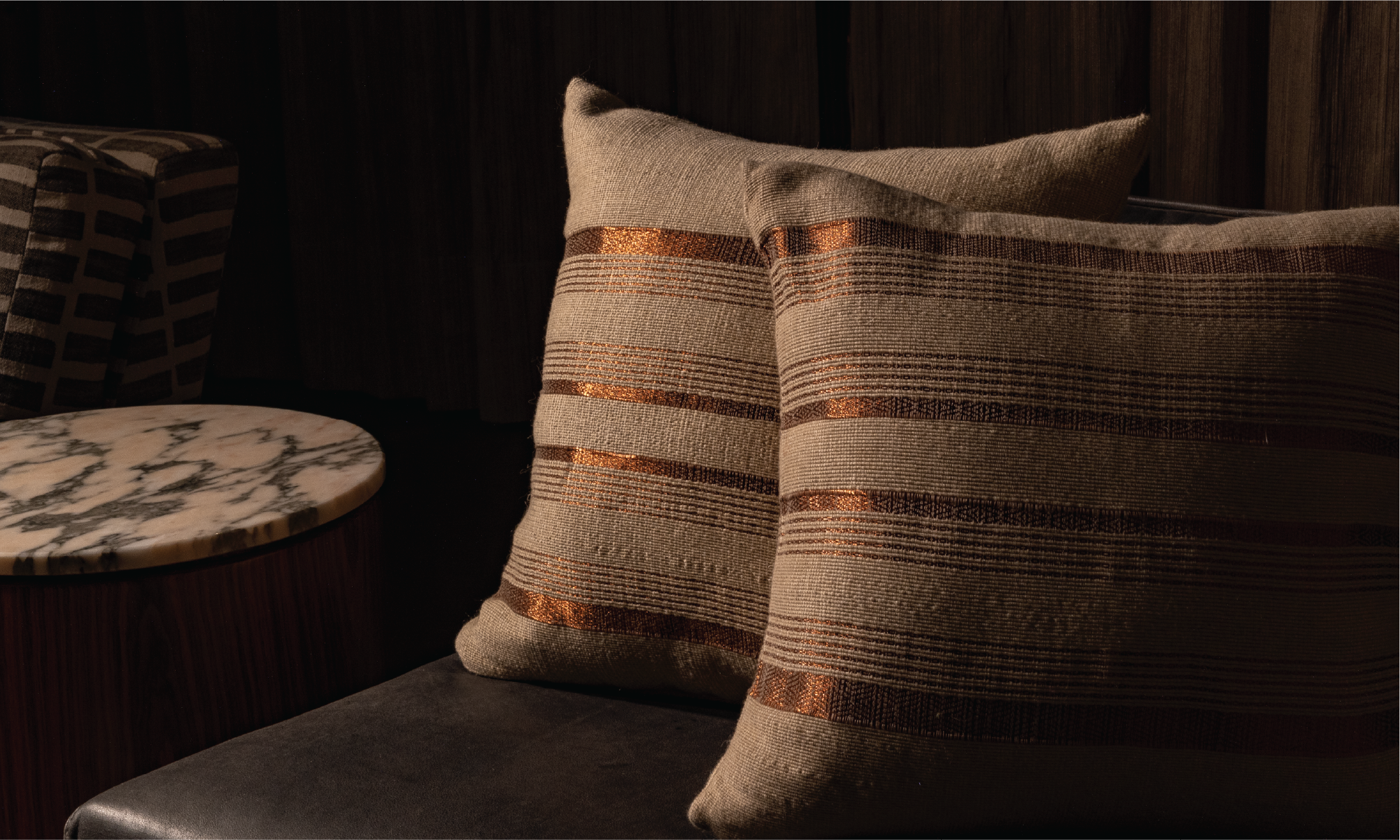
The fiber's natural tone ranges from warm ivory to deep straw, and it takes natural dyes beautifully, allowing for a palette that feels both grounded and refined. This versatility is what drew VERDI to fique from the beginning: it is a material that bridges the artisanal and the contemporary, the regional and the global.

Today, fique is experiencing renewed interest among designers and conscious consumers who are moving away from synthetic fibers in search of materials with traceability and meaning. A fique rug or bag carries with it the story of a specific plant, a specific region, and a specific set of hands. It is a kind of provenance that synthetic materials can never offer.
At VERDI, every piece woven in fique begins with a direct relationship with the artisans of Curití, master weavers whose knowledge of the fiber spans generations. This collaboration is not incidental to the product. It is the product.