The Role of Light in Textile Design

Light is one of the most influential elements in interior design. At VERDI, it plays a central role in how we develop our windowcoverings, guiding decisions around materials, weave density, and overall structure.
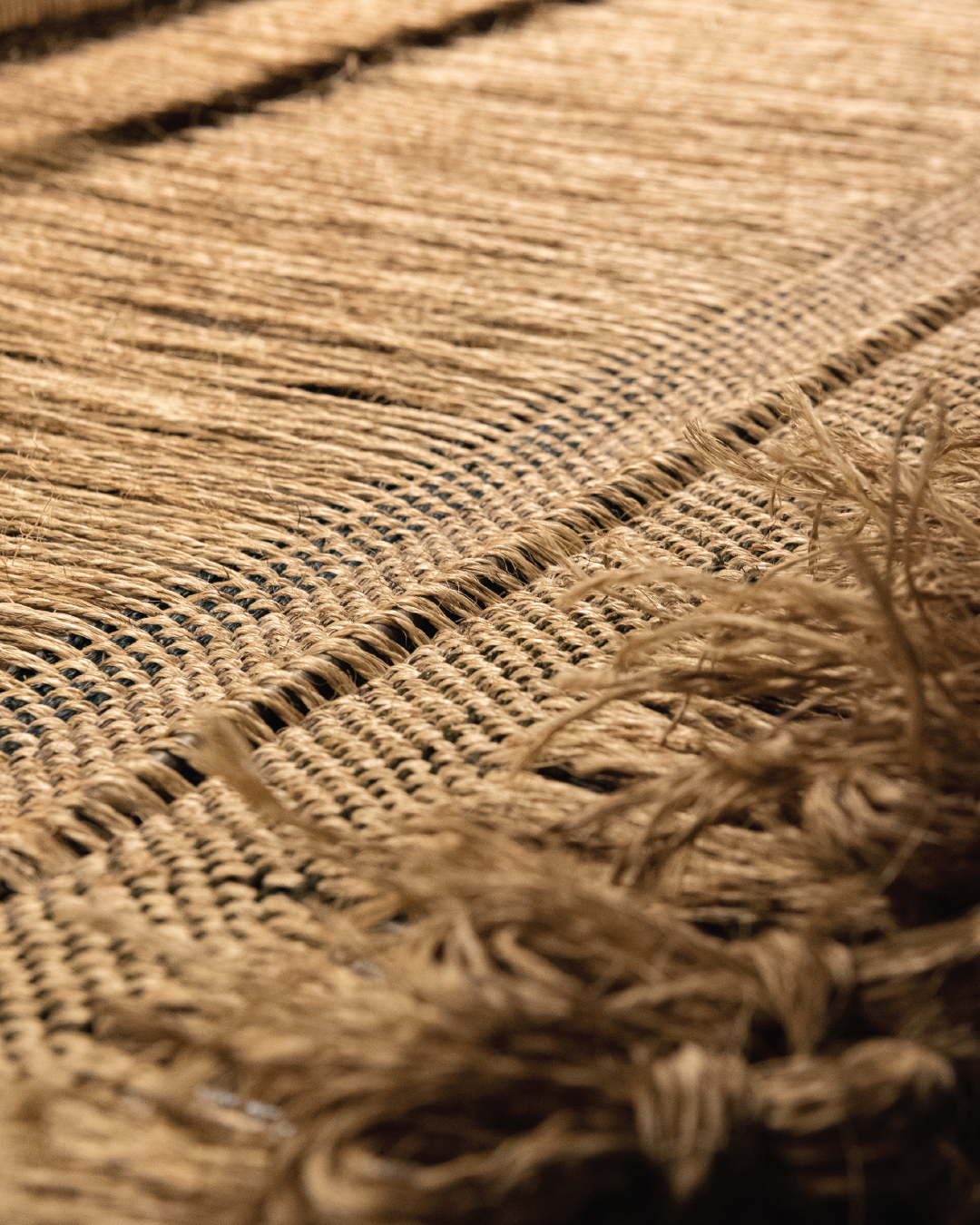
Each fiber interacts with light in its own way. Fique diffuses daylight with a warm, organic softness. Baby alpaca introduces gentle shadow and depth. Silk offers a subtle sheen. Plantain fiber adds natural irregularity and character. And when woven alongside metal threads — copper, stainless steel, or silver-plated — the textile comes alive.
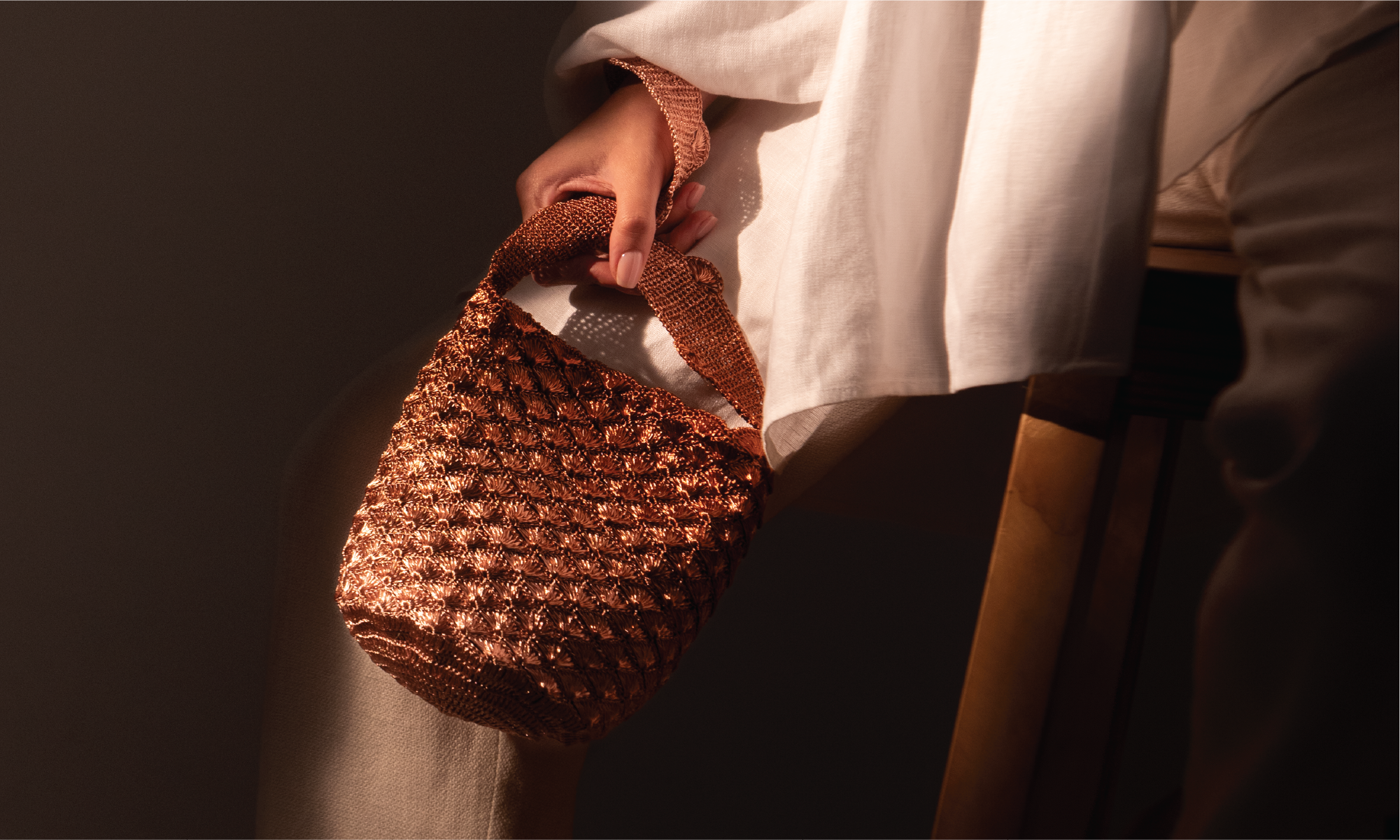
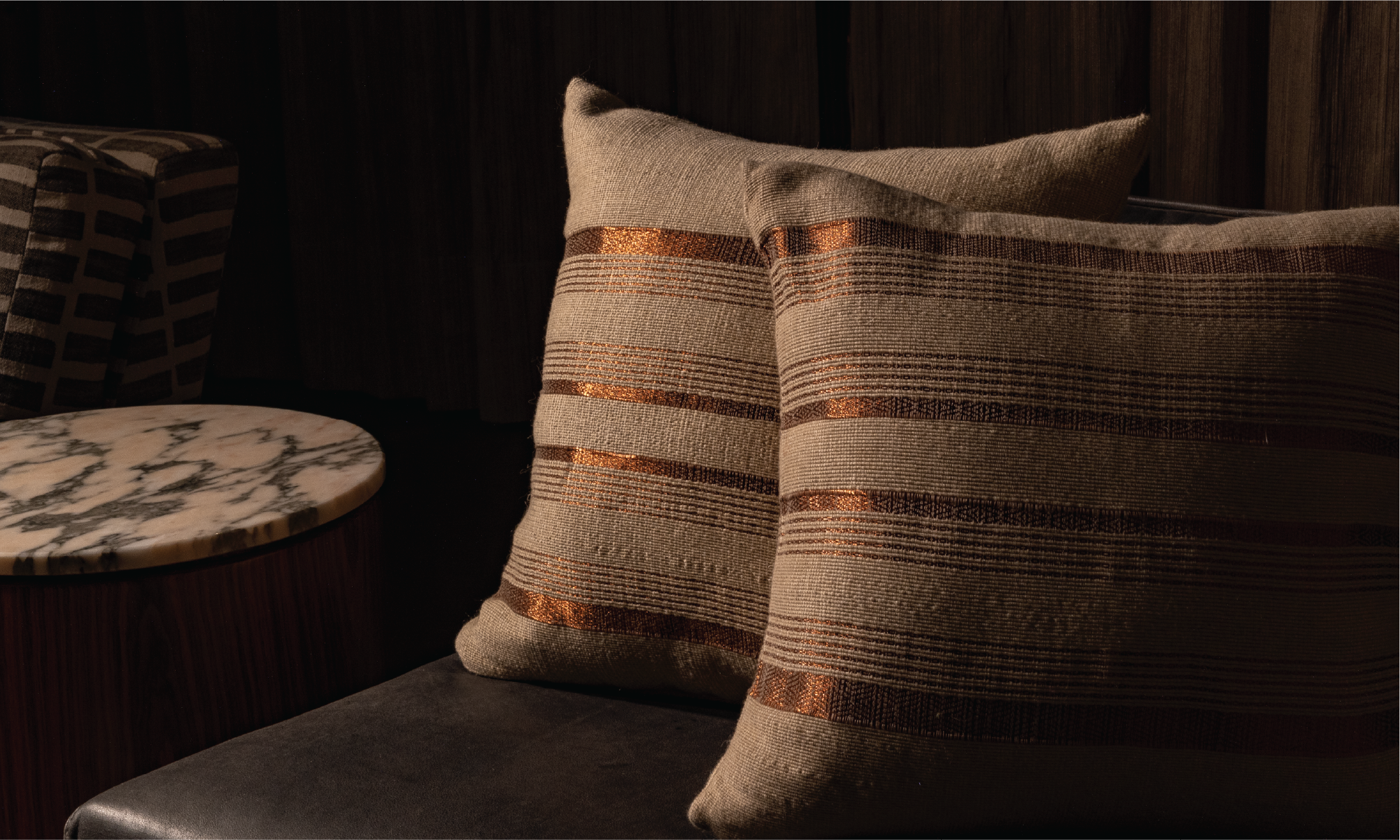
Metal shifts the way light behaves. As one moves across a room, the threads catch and redirect illumination, creating subtle glimmers and tonal changes. This dynamic quality makes the windowcovering feel active — a surface that responds to movement, time of day, and architectural direction.

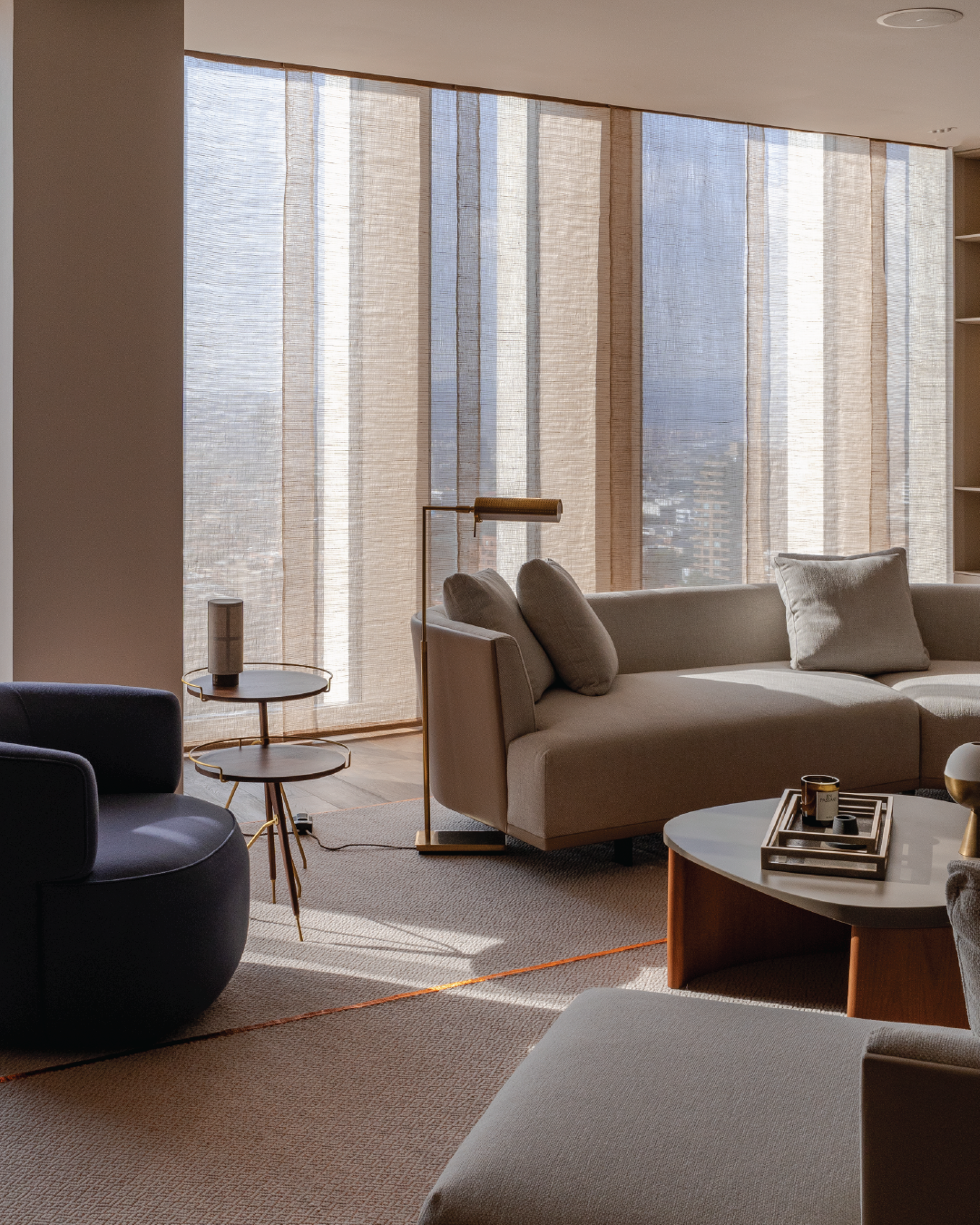
Weave structure also shapes light. More open constructions allow daylight to pass through, filtering it softly without blocking exterior views. Tighter weaves create more privacy and a controlled atmosphere, managing glare and defining the mood of the space. Because each piece is handwoven, these differences are intentional and visible.

Texture becomes especially important in this interaction. Natural variations in the fibers and the reflective nature of the metal create surfaces that evolve throughout the day. Morning light reveals one character; afternoon light reveals another. This constant shift adds dimension and energy to interiors in a way that machine-made textiles cannot replicate.
Across residential and hospitality projects, VERDI’s windowcoverings serve a dual purpose — functional shading and architectural presence. They regulate brightness, soften interiors, and introduce materiality that enhances the spatial experience.

For VERDI, designing windowcoverings is about more than technical performance. It’s about treating light as a material, and creating textiles that respond to it with honesty, depth, and movement.