Colombian Artisan Textiles: A Living Tradition in Contemporary Design

Colombia's textile traditions are among the most diverse and technically sophisticated in the Americas. From the wayuu mochila of La Guajira to the handwoven ruanas of Boyacá, from the fine gold-thread embroidery of Mompox to the fique weaving of Santander — the country's craft landscape is not a single tradition but a constellation of distinct regional practices, each with its own material vocabulary, symbolic language, and social structure.
What these traditions share is a relationship to making that is fundamentally different from industrial production. In Colombian artisan textiles, the knowledge of how to weave, knot, or embroider is not a set of instructions that can be transferred through a manual or a training program. It is embodied knowledge — learned through years of practice, transmitted between generations through demonstration and repetition, and constantly refined through the maker's developing understanding of material behavior.
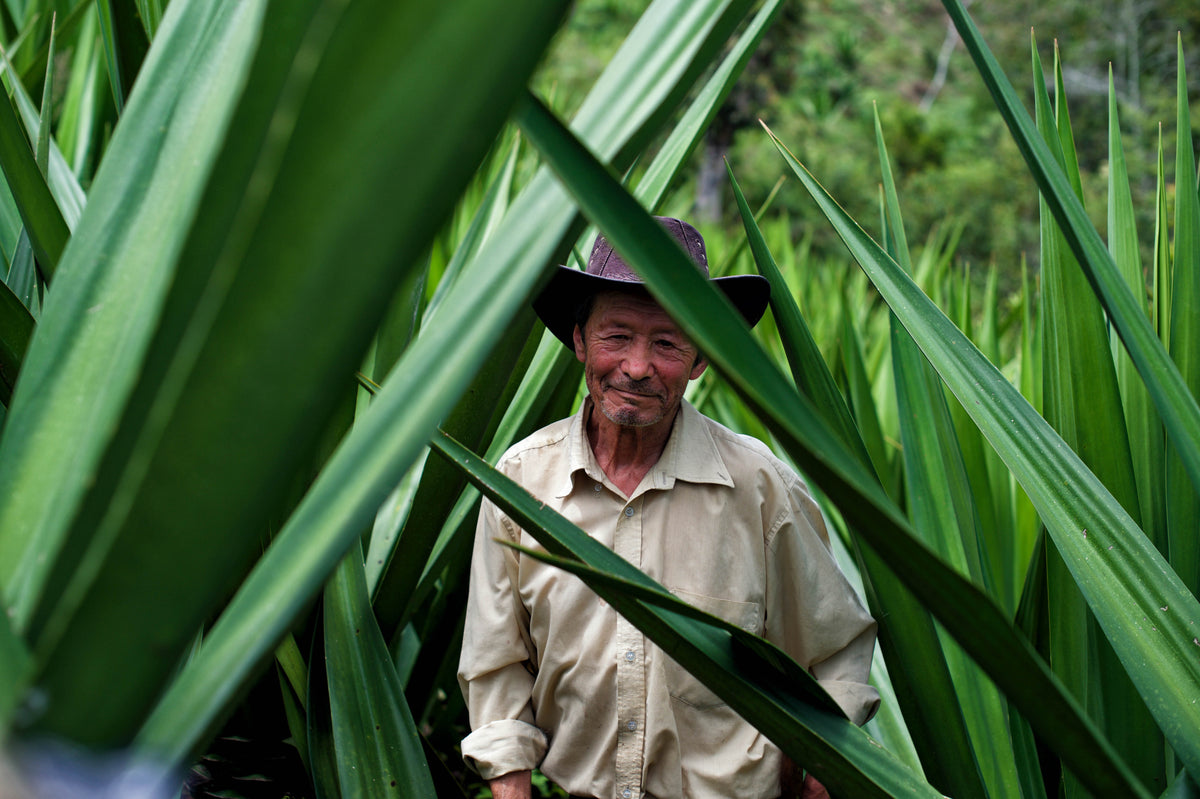
This kind of knowledge produces objects of a specific quality. Not uniformity — artisan textiles are, by definition, variable — but coherence: a consistency of logic and intention that runs through even the most complex piece. When an artisan in Curití, Santander weaves a fique rug, every decision about tension, pattern, and color is made in relation to a body of knowledge that has been accumulating for generations. The rug is not simply a product of that knowledge; it is a record of it.

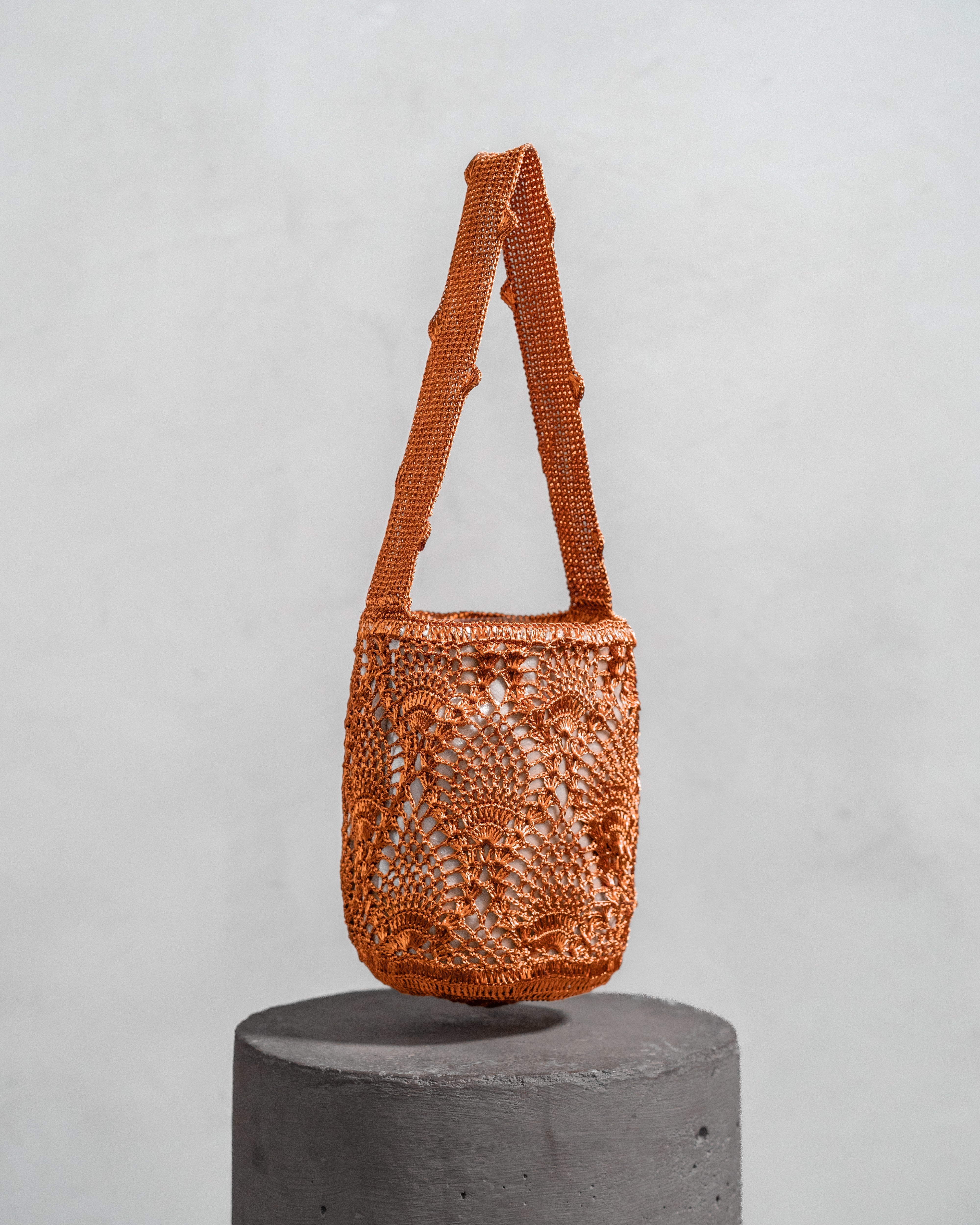
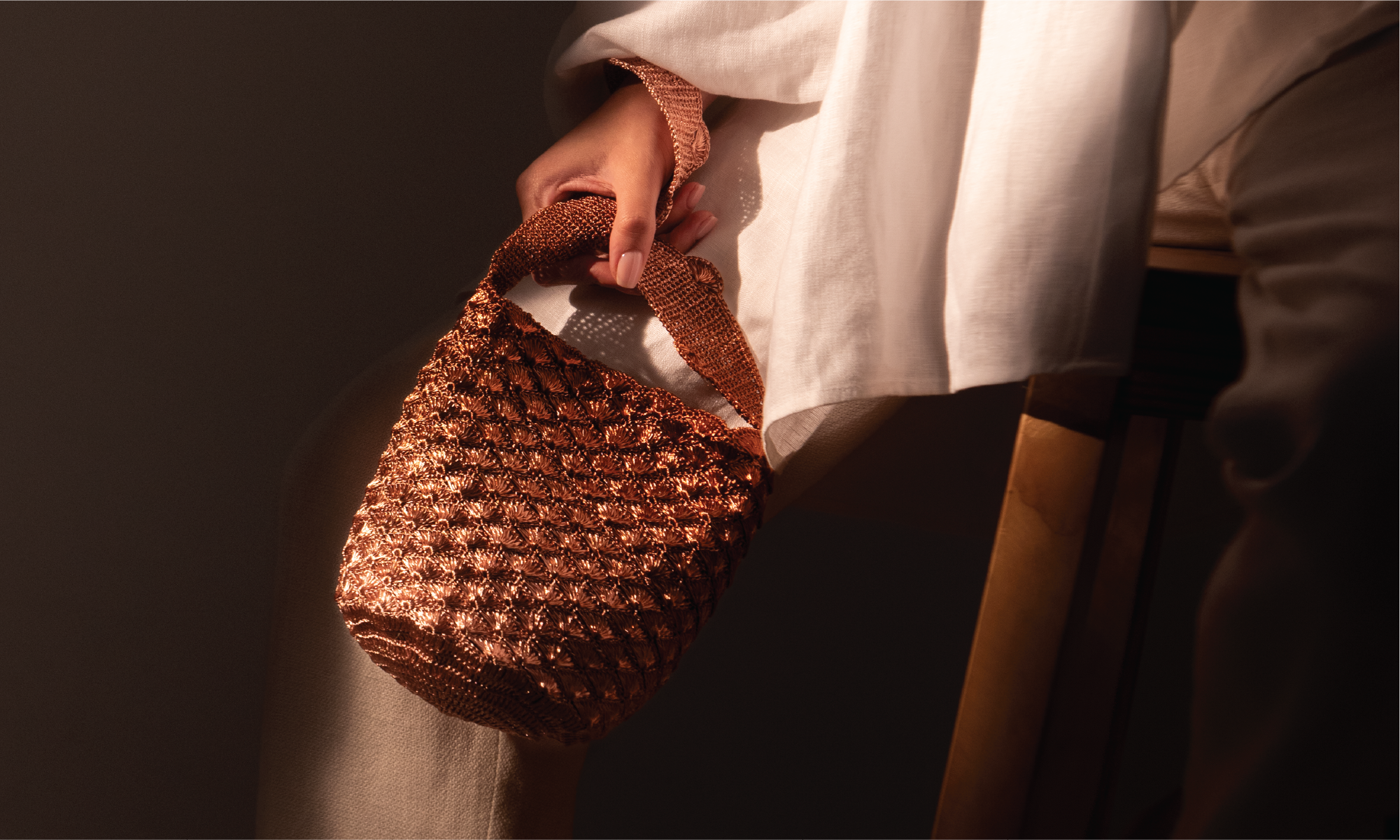
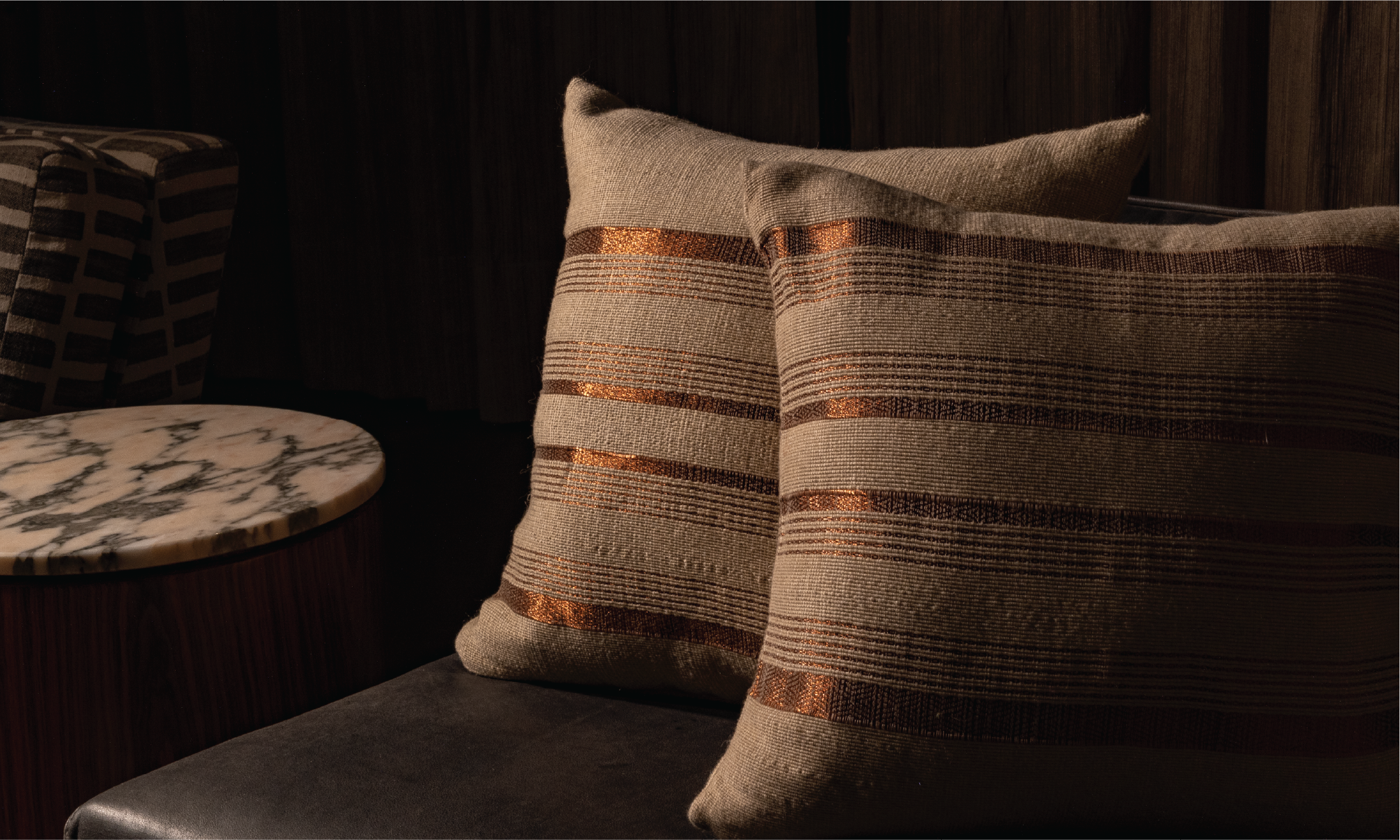
At VERDI, our relationship with Colombian artisan communities is the structural foundation of everything we make. We work in sustained partnership with weavers in Santander whose mastery of fique fiber is unmatched, collaborating on designs that allow contemporary formal ambitions to be realized through traditional technique. This is not design that uses craft as a finishing touch; it is design that understands craft as its primary medium.
The result is objects that carry both the clarity of a contemporary design intention and the depth of a material tradition — pieces that function fully in the present while remaining connected to a history that gives them meaning. In a design landscape that has grown increasingly interested in authenticity and provenance, Colombian artisan textiles offer something rare: a tradition that is genuinely alive, still being practiced, still being refined, still making things that matter.